
Life After the First Conversion
Surprised by JoyThis thread follows Lewis's transition from theism into Christian practice and belief, emphasizing the stages he considered distinct.
increasing Bearing strength in each event
 decreasing
Bearing strength in each eventdecreasingTheism Without Christianity
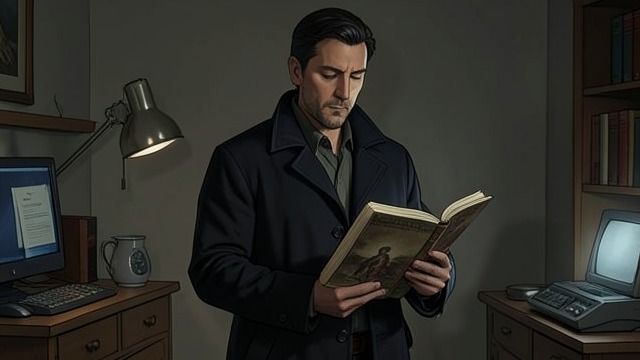
Theism Without Christianity
A Limited Admission
Lewis stressed that his first surrender was to theism, not yet to Christianity. The God he acknowledged was nonhuman and did not immediately connect in his mind with Joy.
No Easy Consolation
He felt no sudden music or promise of happiness at the threshold. His first response was obedience under uncertainty rather than emotional fulfillment.
Obedience as First Practice
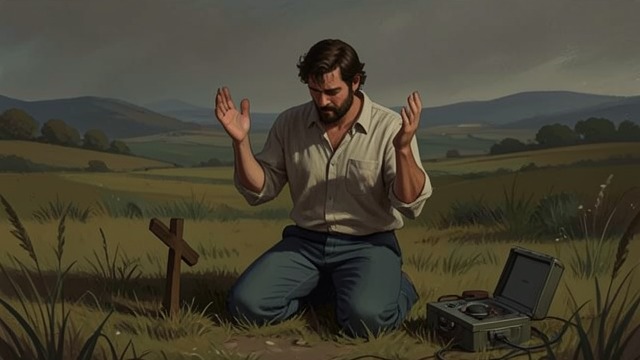
Obedience as First Practice
God for God's Own Sake
Lewis understood that God should be obeyed because of what God is, not merely for reward or protection. This connected with his concern that self-interest might corrupt moral action.
A New Orientation
Belief and prayer began to take him out of constant self-examination. Religious practice became a discipline directed toward God rather than another occasion to monitor his inner states.
Church as a Provisional Flag
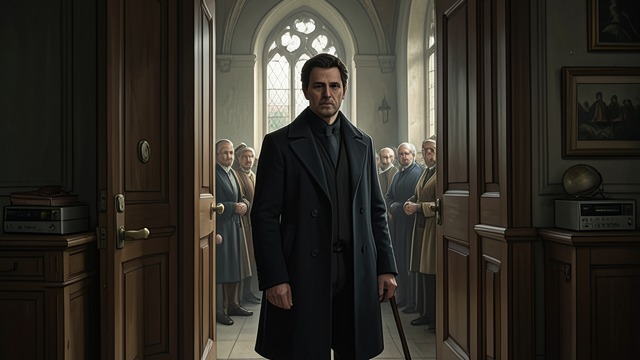
Church as a Provisional Flag
Public Practice
Lewis began attending parish church and college chapel to mark his belief openly. He did so from a sense of honor rather than conviction that Christianity was already true.
Persistent Discomfort
He remained suspicious of ecclesiastical organization and disliked hymns, crowds, and ritual. Churchgoing was provisional, and he could not identify it as the cause of his later Christian turn.
Religions Reconsidered
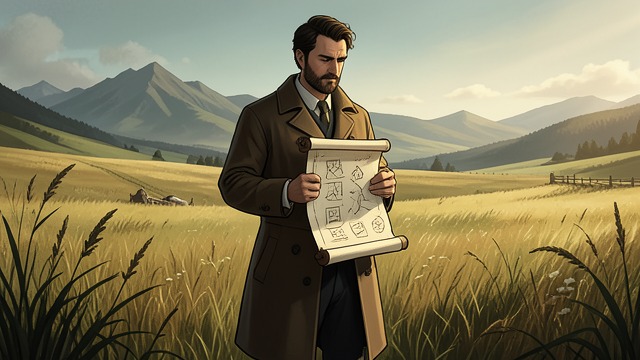
Religions Reconsidered
From Falsehood to Fulfillment
Lewis stopped treating religion as one true system amid a mass of meaningless errors. Pagan traditions could contain preparation or prophetic hints rather than simply being dismissed.
The Remaining Alternatives
He considered Hinduism and Christianity as possible mature forms of religion. Christianity's historical claim and its relation to myth increasingly distinguished it from the alternatives.
The Incarnation as Fulfillment
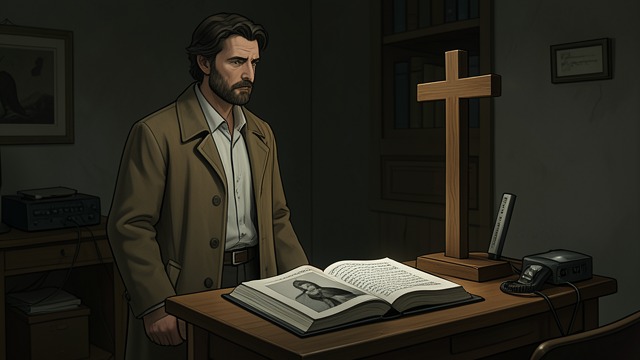
The Incarnation as Fulfillment
History and Myth Converge
Lewis saw the Gospel account as historically particular while also fulfilling the patterns found in myths. The figure presented was recognizable as a person yet illuminated by a reality beyond the world.
Belief Becomes Christian
He accepted that the Word had become flesh and that Christ was not merely one god among many. The transition completed a movement toward a more concrete and personal faith.
Immediately after Lewis's 1929 surrender
The months following theism
After Lewis became a theist
During Lewis's search after theism
On the journey to Whipsnade Zoo
